
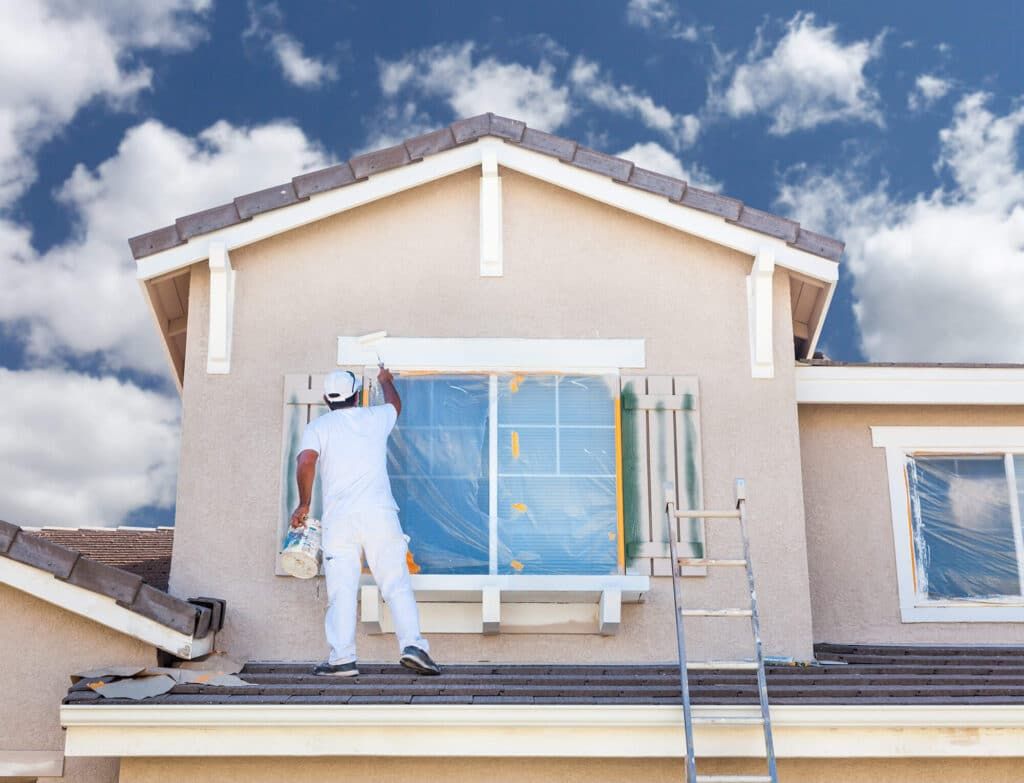
Living in Atlantic Beach means your home faces a tough mix of sun, salt air, humidity, and stormy weather. These coastal conditions can wear down paint faster than in many inland areas. Jacksonville’s long-term climate normals show about 53.40 inches of rain per year, which means homes in the Atlantic Beach area deal with frequent moisture on top of heat and salt exposure.
Why does exterior paint fail faster in Atlantic Beach?
The coast is hard on painted surfaces. Marine air carries tiny salt particles that settle on siding, trim, railings, and windows. AMPP explains that marine atmospheres are filled with fine sea-salt mist that lands on exposed surfaces and speeds up corrosion. Research also shows that distance from the sea is one of the most important factors in coastal corrosion, which matters in a beach town like Atlantic Beach.
The sun adds another layer of stress. The National Weather Service notes that beach areas often see very high to extreme UV levels, and UV exposure can be even stronger around bright sand and water. That constant sun can fade darker paint colors and dry out older coatings until they become brittle.
What visible paint problems should you look for first?
The most obvious warning signs are peeling, bubbling, and blistering paint. These usually mean the paint is no longer sticking well to the surface. Experts explain that moisture getting into siding is a common cause of blistering and peeling on exterior paint.
You may also notice cracking or a rough pattern that looks like alligator skin. This is a clue that the paint film has aged, lost flexibility, and can no longer protect the surface underneath. If you can see bare wood, fiber cement, or metal, the problem has already moved beyond looks. At that point, your home is more open to water intrusion and faster damage.
Another sign is chalking. Rub your hand across the siding. If a white, powdery residue comes off, the paint binder is breaking down. Severe fading is also common on the sides of the home that get the strongest afternoon sun.
Are mold, mildew, and soft wood signs of a bigger problem?
Yes. In Atlantic Beach, moisture-related warning signs should never be ignored. The EPA says the key to stopping mold is controlling moisture, and it recommends keeping humidity below 60 percent, with 30 to 50 percent being ideal when possible.
If you see green, black, or gray staining on siding, trim, or soffits, that may point to mold, mildew, or algae. This is especially common on shaded sides of the house where surfaces stay damp longer. EPA guidance also notes that moisture problems can damage building materials over time, not just create stains.
Check the caulk around windows, doors, and trim too. If it is cracked, split, or pulling away, water can sneak in behind the paint. If wood feels soft or sponge-like, that may mean rot has already started. Rust streaks below nails, railings, or metal fixtures are another warning sign that salty air is causing corrosion.
How old is too old for exterior paint in Atlantic Beach?
In many coastal Florida neighborhoods, paint can start showing wear in as little as 3 to 5 years, especially on homes close to the ocean. Even if the paint is older than 5 to 7 years and still mostly intact, it may already be losing its protective strength. Atlantic Beach homes often age faster than inland homes because they face both salt spray and heavy summer moisture. Jacksonville’s climate data and beach weather patterns help explain why.
What should you do if your home already looks worn out?
If your house still looks tired even after cleaning, that is a strong clue the paint itself is failing. A fresh paint job can help protect siding, trim, and other exterior materials before damage spreads. Helpful resources include the EPA’s moisture and mold guidance, Purdue Extension’s paint failure guide, and the National Weather Service beach forecast pages for Jacksonville-area coastal conditions.
If you are seeing peeling paint, fading, mildew stains, or soft wood, now is the time to act. Diamond Edge Pressure Cleaning can help you get your Atlantic Beach home ready for a longer-lasting exterior finish. Call (904) 480-1305 to schedule service and protect your home before small paint problems turn into costly repairs