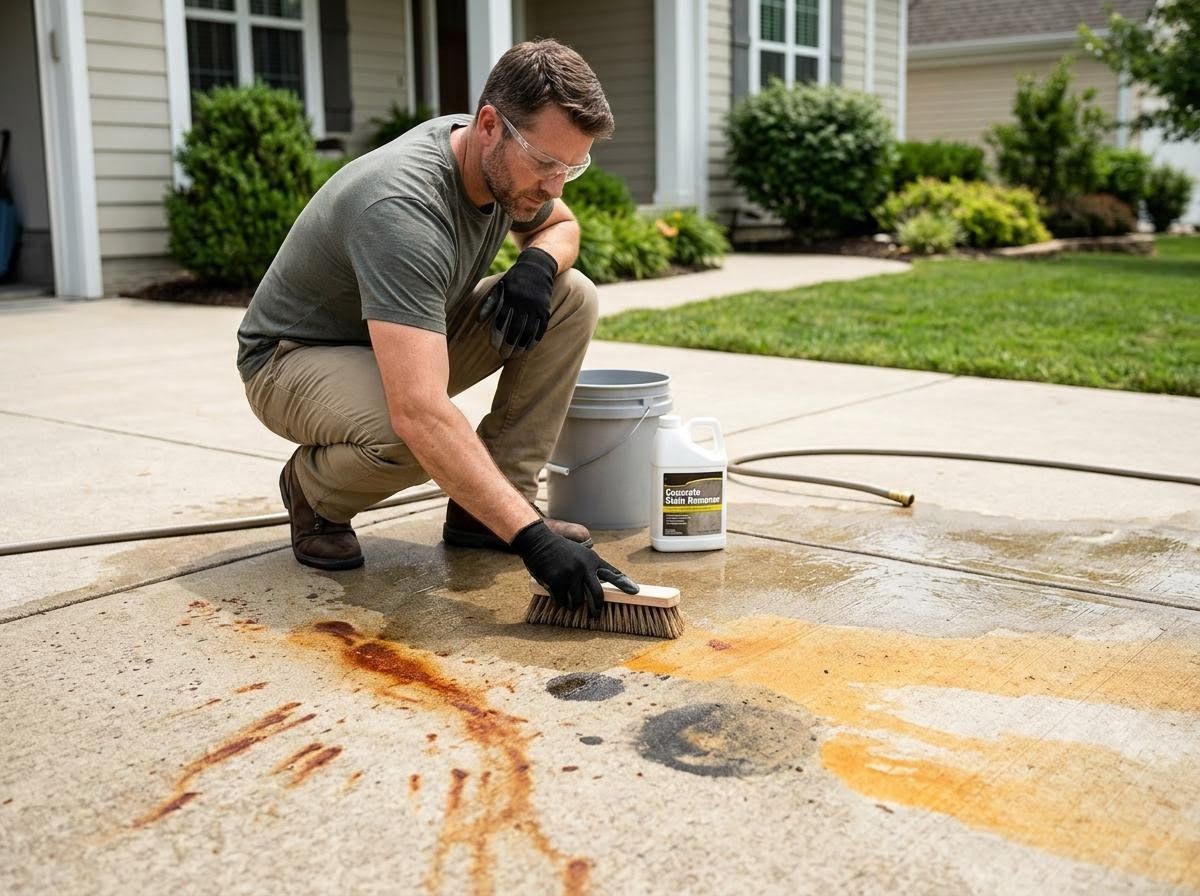
Concrete driveways are a significant investment, and their pristine appearance can greatly enhance your home's curb appeal. Unfortunately, these durable surfaces are prone to unsightly stains from everyday occurrences, including oil leaks, metal rust, and mineral-rich irrigation water. Understanding the unique characteristics of each stain and the most effective removal techniques is crucial for restoring your driveway's original look, and at Diamond Edge Pressure Cleaning, we know how vital a clean exterior is.
Understanding Common Concrete Stains
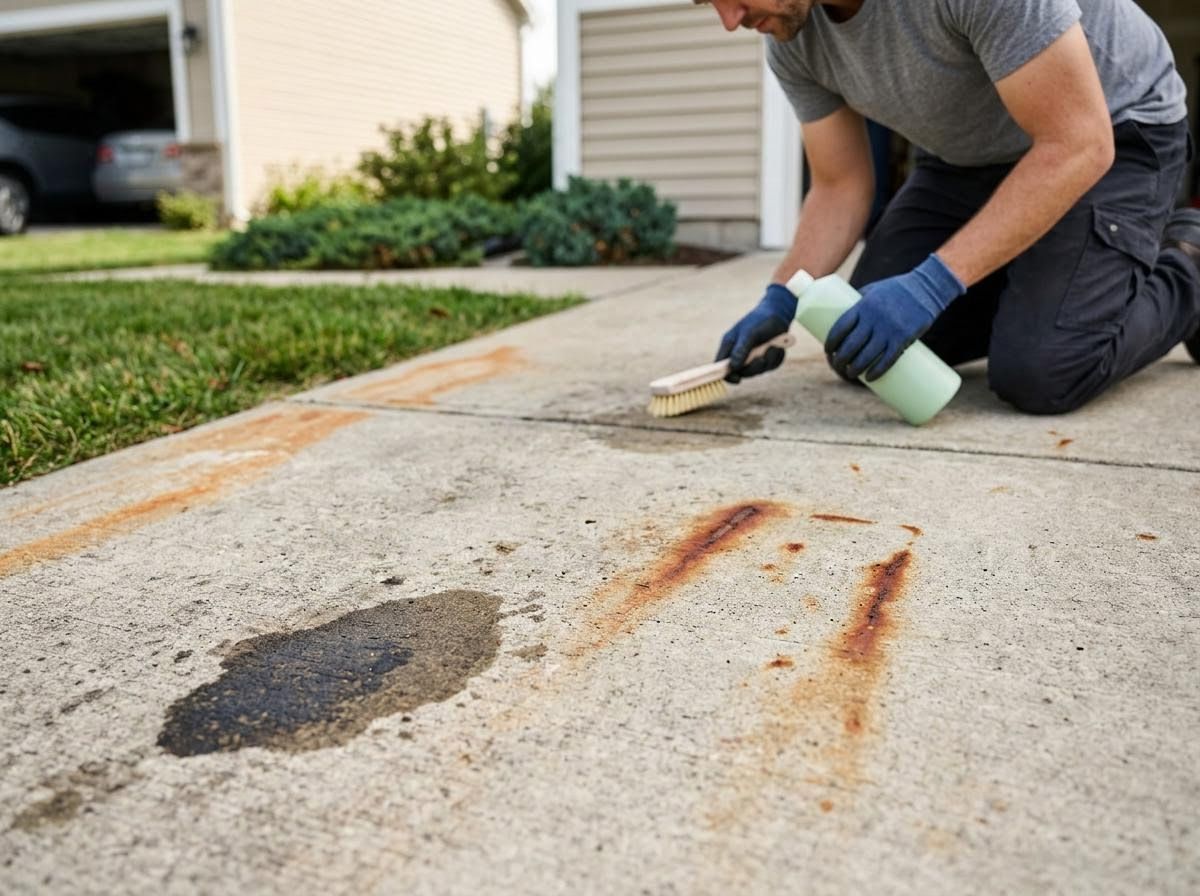
Before tackling any stain, it's essential to understand its source and composition, as this dictates the most effective cleaning approach. Oil stains are typically petroleum-based and penetrate deep into porous concrete. Rust stains, often from metal objects or iron-rich water, are oxidized iron compounds that leave reddish-brown marks. Irrigation stains, also known as efflorescence or mineral stains, result from water containing high levels of dissolved minerals, especially iron, leaving behind stubborn orange or brown discoloration as the water evaporates. Each of these requires a targeted strategy for successful removal without damaging the concrete.
Tackling Persistent Oil Stains
Oil stains can be particularly challenging due to concrete's porous nature. For fresh spills, blot up as much oil as possible with absorbent materials like cat litter, sawdust, or sand, leaving it to sit for several hours before sweeping it away. For older, set-in stains, a strong degreaser specifically formulated for concrete is necessary. Apply the degreaser generously, let it penetrate according to product instructions, then scrub vigorously with a stiff brush. For very stubborn stains, a poultice made from an absorbent material (like diatomaceous earth or cat litter) mixed with a solvent (like acetone or mineral spirits) can draw the oil out of the concrete over time. Always rinse thoroughly after treatment.
Eradicating Stubborn Rust Stains
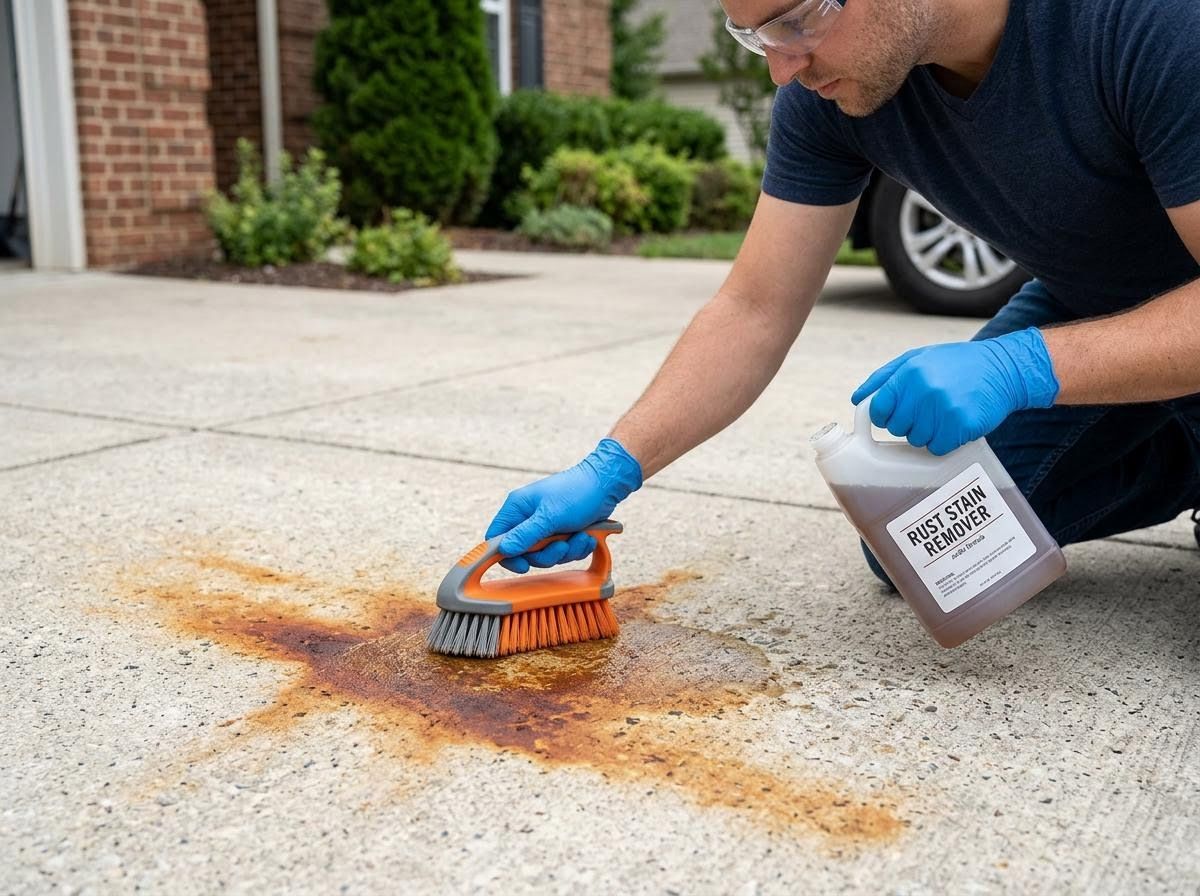
Rust stains require an acidic cleaner to dissolve the iron oxide. Products containing oxalic acid are highly effective for this purpose. Apply the rust remover directly to the stained area, following the manufacturer's directions carefully. Allow it to sit for the recommended time, usually 10-15 minutes, ensuring it doesn't dry on the surface. Scrub the area with a stiff, non-metallic brush, then rinse thoroughly with water. It's crucial to test any rust remover on an inconspicuous area first to ensure it doesn't discolour or damage your concrete. Always wear appropriate personal protective equipment, such as gloves and eye protection, when working with acidic cleaners.
Conquering Unsightly Irrigation Stains
Irrigation stains, caused by minerals like iron in hard water, often manifest as an orange or reddish-brown film. These stains can be effectively removed with cleaners designed to tackle mineral deposits. Many commercial products contain phosphoric acid or similar compounds that break down these mineral bonds. Apply the cleaner evenly over the stained area, ensuring the surface remains wet with the solution for the duration recommended by the product. Scrub with a stiff brush to agitate the stain, then rinse the area thoroughly with clean water. Regular maintenance and ensuring your sprinklers don't directly spray your driveway can help prevent these stains from reoccurring.
Maintaining a clean and welcoming exterior is essential for any property, and effectively removing common driveway stains significantly contributes to this goal. While DIY methods can address many issues, some deep-seated or widespread stains may require professional equipment and expertise to restore your concrete's pristine condition safely and efficiently. To discover more about comprehensive property cleaning and how Diamond Edge Pressure Cleaning can help revitalize your outdoor surfaces, explore our range of services.